AI Tools for Small Business in 2026: What AGI Actually Means for You
Disclosure: This article contains affiliate links. If you purchase through them, we receive a commission at no extra cost to you.
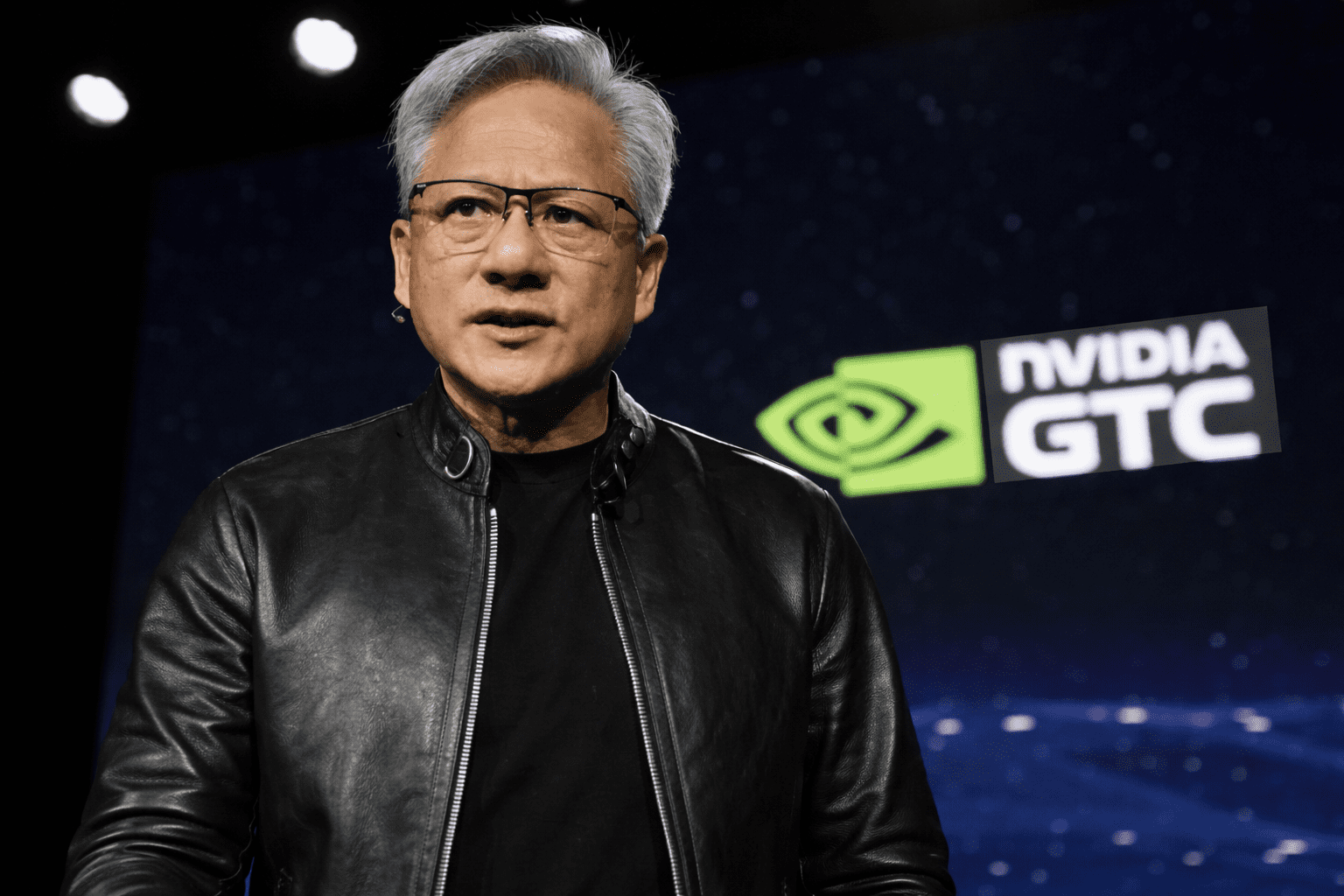
On March 23, 2026, NVIDIA CEO Jensen Huang told podcast host Lex Fridman: “I think we’ve achieved AGI.” The statement landed in every tech publication within hours. What it means for the AI tools your small business can use in 2026 is a more useful question than whether the label is technically correct — and that’s what this article answers.
Here’s what it actually means for your business — past the headlines.
The practical picture
What AI can and can’t do for your business right now
AI can do this for you today
- ✓Write first drafts of emails, menus, job postings, and social media posts
- ✓Answer customer questions 24/7 via a chatbot on your website
- ✓Summarize long documents, contracts, or supplier quotes in seconds
- ✓Transcribe meetings and phone calls automatically
- ✓Generate product descriptions, marketing copy, and captions
- ✓Detect fraud and flag unusual transactions in payment systems
AI still can’t do this reliably
- ✗Make judgment calls that require knowing your specific business and customers
- ✗Build real relationships with your regulars
- ✗Handle legal, tax, or financial decisions without human review
- ✗Operate autonomously without someone checking its work
- ✗Replace the human instinct that runs your business day to day
The tools that exist today — ChatGPT, Claude, Gemini, Copilot — won’t replace your judgment or your relationships with regulars. They’re closer to a capable assistant who needs clear instructions and will confidently get things wrong sometimes — which means you still need to check their work.
Where to start
AI tools for small business in 2026 worth trying this week
Three prompts to copy and try today
Open ChatGPT or Claude and paste any of these in exactly as written — just swap in your details:
- For responding to reviews: “Write a professional, friendly response for a small restaurant owner to this negative Google review: [paste review here]”
- For social media: “Write 5 Instagram captions for a Miami hair salon promoting a blowout special at $45. Keep them short, conversational, and include a call to action.”
- For contracts: “Explain this contract clause in plain English and flag anything I should ask about before signing: [paste clause here]”
The context
What is AGI — in plain language
Most AI today is narrow. ChatGPT is very good at writing and answering questions. A spam filter is very good at spotting spam. Your Square POS uses AI to detect fraud. Each one does one thing well and nothing else.
AGI — Artificial General Intelligence — is the idea of an AI that can do anything a human can do, across any domain, without needing to be specifically trained for each task. Ask it to write a business proposal, then analyze a financial statement, then troubleshoot your router, then plan a marketing campaign — and it handles all of them as well as a person would.
Narrow AI vs. AGI — the simple version
Narrow AI: A very skilled employee who can only do one job. Great at it. Ask them to do something else and they’re lost.
AGI: An employee who can do every job in your business — accountant, marketer, customer service rep, IT support — and learns new skills on their own without being retrained.
We’ve had narrow AI for years. AGI is the next step — and the industry can’t agree on whether we’re there yet.
What actually happened
What Jensen Huang said — and what he actually meant
Fridman asked Huang about the timeline for an AI that could “start, grow, and run a successful technology company.” Huang answered: “I think it’s now. I think we’ve achieved AGI.”
But Huang immediately hedged. His definition of “achieved AGI” was narrow: an AI capable of building a web app that briefly hits $1 billion in revenue before going under. Not a durable, human-level general mind — a one-time commercial spike. He even acknowledged that most AI agents — software that can take actions on your behalf, like booking appointments or responding to customer inquiries automatically — lose popularity within months, and that the odds of such a system running a company with NVIDIA’s staying power were essentially zero.
The reality check
Most AI researchers put true AGI — a system that can reliably outperform humans across all domains — at anywhere from 5 to 20+ years away. Huang redefined the term to fit what exists today. It’s a bit like saying you’ve “achieved marathon fitness” because you ran a mile really fast. Technically true under your own definition. Misleading under everyone else’s.
NVIDIA also has an obvious financial incentive to frame AI as further along than it is. The company controls over 80% of the AI chip market. A narrative of imminent AGI drives demand for exactly the hardware NVIDIA sells. That doesn’t make him wrong. It does mean you should read his definition before you read his conclusion.
What this means for you
Why the AGI conversation matters for your small business
1. The tools are getting cheaper fast
All that investment flows downstream. The AI tools a small business can get for $20 a month today are genuinely more capable than what enterprise companies were paying thousands for two years ago. If you dismissed these tools a year ago, they’re worth another look. Moving early costs almost nothing right now. That changes as the tools get more established and the pricing reflects it.
2. Your competitors are starting to use this
NVIDIA’s 2026 survey found that 47% of retail and consumer goods companies are already deploying or seriously testing AI agents — take that number with some skepticism since it comes from a company that benefits from making adoption look widespread, but even half that figure is a meaningful shift. The restaurant down the street may already be using AI to write social posts and handle reservation confirmations. Waiting two years to evaluate these tools means catching up to people who have already figured out what works.
3. The hype doesn’t require you to do anything dramatic
Every few months there’s a new headline about AI that sounds like it changes everything overnight. It doesn’t. The practical move isn’t to panic or overhaul your operations — it’s to pick one task you do repeatedly and try one of the tools above on it for 30 days. The three prompts in the section above are a five-minute starting point.
Whether AGI is here or five years away, the AI tools available to small businesses in 2026 are already useful enough to save you real time on tasks you’re doing manually right now. The biggest risk isn’t adopting AI too early. It’s waiting until everyone else has figured out what works and you’re catching up.
Before you hand AI tools access to your business data and accounts, make sure your digital security is solid. Here’s how to set up two-step verification on your Microsoft account — the first line of defense against unauthorized access to everything your business runs on.